
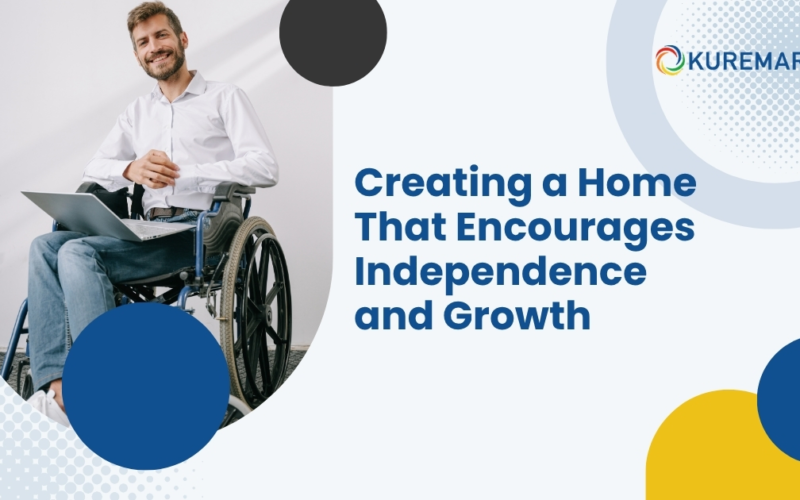
For many people living with disability, finding the right place to live is about much more than accommodation. It is about feeling safe, valued, connected, and empowered to make choices about everyday life. A supportive living environment can create opportunities for personal growth, meaningful relationships, and increased independence.
As individuals work towards their goals, having access to the right level of support can make a significant difference. Whether it is learning household skills, participating in the community, managing personal routines, or building confidence in decision-making, the right living arrangement can help create a pathway towards greater autonomy.
This article explores how personalised living support can help individuals build a fulfilling life while maintaining dignity, choice, and control.
Why the Right Living Environment Matters
A person’s surroundings have a direct impact on their wellbeing, confidence, and quality of life. Living in an environment that promotes independence allows individuals to focus on their strengths and capabilities rather than limitations.
Supportive living arrangements are designed to provide assistance where needed while encouraging individuals to participate in daily activities and make their own choices. This balance helps foster personal development and creates opportunities for long-term success.
When individuals feel comfortable in their environment, they are often more willing to try new experiences, develop skills, and engage with their communities.
Building Confidence Through Daily Living Skills
Independence often starts with mastering everyday tasks. While these activities may seem routine, they play an important role in helping individuals gain confidence and self-reliance.
Support workers can assist participants in developing skills such as:
- Meal preparation and cooking
- Personal hygiene and grooming
- Household cleaning and organisation
- Shopping and budgeting
- Using public transport
- Managing appointments and schedules
By practising these activities regularly, individuals can gradually increase their level of independence and feel more confident managing their daily lives.
Developing practical skills also contributes to improved self-esteem. Achieving personal goals, no matter how small, can create a strong sense of accomplishment and motivation.
Encouraging Social Connection and Community Participation
A fulfilling life involves more than simply completing daily tasks. Social interaction and community engagement are equally important.
Many individuals experience feelings of isolation when they lack opportunities to connect with others. Supportive living arrangements can help overcome these barriers by encouraging participation in social, recreational, educational, and community-based activities.
Through structured support, individuals may gain confidence to:
- Attend community events
- Join clubs and hobby groups
- Participate in volunteering opportunities
- Explore employment pathways
- Develop friendships and support networks
- Access educational programs
Strong social connections contribute positively to mental wellbeing and help individuals feel included and valued within their communities.
Understanding Personalised Living Supports
Every individual has different needs, goals, and preferences. For this reason, living support should never follow a one-size-fits-all approach.
Personalised support focuses on understanding what matters most to the individual and creating a plan that aligns with their lifestyle and aspirations.
Many families seeking SIL providers Gold Coast look for organisations that understand the importance of tailoring support services to the unique needs of each participant. The most effective support arrangements focus on empowering individuals to make decisions and maintain as much independence as possible while receiving assistance where required.
This person-centred approach helps ensure supports remain relevant as needs and goals evolve over time.
What Quality Support Should Include
The quality of support provided can significantly influence outcomes. Effective services are built on trust, communication, and genuine respect for the individual’s choices.
Key characteristics of quality support include:
- Respect for personal preferences and goals
- Consistent and reliable assistance
- Clear communication with participants and families
- Flexible support arrangements
- Safe and inclusive environments
- Focus on skill development and independence
When these elements are present, individuals are more likely to achieve meaningful progress and enjoy a higher quality of life.
Supporting Long-Term Goals

Independence is often a journey rather than a destination. Individuals may have goals that evolve over time, and support services should adapt accordingly.
Long-term goals may include:
- Developing greater self-confidence
- Increasing community participation
- Building employment skills
- Learning financial management
- Improving social relationships
- Transitioning to more independent living arrangements
For participants accessing SIL NDIS Gold Coast, having a structured support framework can provide the guidance and encouragement needed to work towards these outcomes. The right support team can help identify opportunities for growth while respecting individual preferences and choices.
Progress may occur gradually, but every achievement contributes to greater independence and personal fulfilment.
The Importance of Family Involvement
Families often play a vital role in supporting individuals throughout their journey. Open communication between support providers, participants, and family members helps ensure everyone remains informed and aligned.
Family involvement can provide valuable insights into personal preferences, routines, and goals. At the same time, professional support can help reduce caregiving pressures and provide families with peace of mind.
A collaborative approach creates a stronger support network and helps individuals feel supported from all angles.
Choosing the Right Support Provider
Selecting a provider is an important decision that should be based on more than service availability alone.
When evaluating potential providers, consider:
- Experience supporting individuals with similar needs
- Staff qualifications and training
- Communication practices
- Flexibility of services
- Commitment to participant choice and control
- Reputation within the community
Providers that prioritise person-centred care often achieve better outcomes because they focus on the individual rather than simply delivering a service.
Taking the time to ask questions and understand how support is delivered can help families and participants make informed decisions.
How Kuremara Supports Individual Growth
At Kuremara, the focus is on helping individuals live meaningful and independent lives through personalised support services tailored to their goals and aspirations.
Through a commitment to dignity, inclusion, and participant-centred care, the team works closely with individuals and families to create supportive environments that encourage personal growth and community participation.
Whether someone requires assistance with daily living activities, social engagement, community access, or skill development, Kuremara aims to provide support that empowers individuals to achieve their goals.
Creating Opportunities for a Better Future
Every individual deserves the opportunity to build a life that reflects their personal goals, values, and ambitions. With the right support, people can develop practical skills, strengthen social connections, and gain confidence in their ability to navigate everyday life.
For individuals exploring supported independent living Gold Coast, choosing a service that prioritises independence, choice, and personal growth can make a lasting difference. A supportive environment does more than provide assistance it creates opportunities for individuals to thrive and achieve their full potential.
Conclusion
A quality living environment can have a profound impact on independence, wellbeing, and overall quality of life. By focusing on individual strengths, encouraging skill development, and promoting meaningful community participation, support services can help people build brighter and more fulfilling futures.
The right support is not simply about meeting daily needs. It is about empowering individuals to pursue their goals, make informed choices, and enjoy a greater sense of confidence and independence throughout every stage of life.