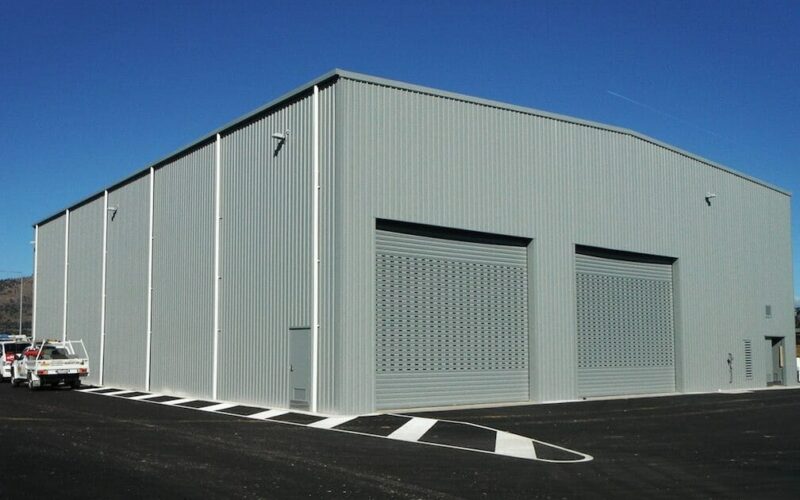

A construction project can run for months without a single serious disagreement. Inspections happen, sign-offs get signed, progress meetings tick along fine. Then the most contentious issues surface only after the keys have changed hands. Defects found after handover produce a harder kind of dispute than problems caught earlier. By that point, the builder has often moved on to the next job. The relationship has cooled, and the practical options for fixing things have narrowed. This pattern is familiar to construction dispute lawyers who deal with these matters regularly. Understanding why it happens explains why dispute prevention needs to start well before handover day.
Why some defects only show up later
Not every defect is visible at practical completion. Waterproofing issues, for example, often only appear after the first serious rain. The building needs to be lived in and used the way it’s actually designed to be used. Structural movement can take months to show up as cracking. Poorly installed drainage might work fine in dry conditions. It can fail only once the weather turns wet for a stretch. This isn’t necessarily evidence of poor workmanship hidden on purpose. Some defects simply need real-world conditions over time to reveal themselves. A single final inspection can’t replicate that.
This is part of why a defects liability period exists in most construction contracts. It’s a defined window after handover. During this time, the builder stays responsible for fixing issues that emerge. Everyone involved understands that not every problem will show up on day one.
Why the relationship changes after handover
Before handover, a builder has a financial and reputational stake in getting the project signed off. That tends to keep communication reasonably responsive. After handover, once final payment has been made, that incentive shifts. The builder has moved resources onto other jobs. A defect claim can start to feel like an unwelcome distraction. Under the contract, though, it’s usually still a normal part of the process.
This shift in incentives explains a lot about why post-handover disputes escalate faster than pre-handover ones. A quick fix during construction can turn into a drawn-out negotiation later. That’s because both the urgency and the goodwill that existed earlier have faded by then.
The documentation that actually matters
Disputes over post-handover defects mostly get decided on documentation, not memory. A clear, dated record of the defect matters far more than an accurate recollection of events months later. That record should include photographs, written notice to the builder and any response you received. Notify a builder informally over a phone call with no written follow-up, and you’ll have far less to work with later. Send a short, clear email the same day instead. Do that, and you’ll be in a much stronger position if things escalate.
Keeping this kind of record doesn’t need to be complicated. A dated photo, a short written description and a copy of whatever you sent the builder is usually enough. Together, they establish a clear timeline if you need to pursue the issue further down the track.
Understanding the defects liability period
The defects liability period is one of the more misunderstood parts of a construction contract. It isn’t an open invitation to raise any dissatisfaction with the finished product. It specifically covers defects, meaning genuine faults in workmanship or materials. It doesn’t cover matters of taste or minor variations from an idealised expectation. Understand this distinction early, and you’ll set realistic expectations about what you can and can’t reasonably pursue during this window.
It’s also worth knowing what happens once the period ends. Some issues, particularly structural ones, may still be covered. Separate statutory warranties can extend well beyond the defects liability period. Others effectively become the owner’s responsibility once the window closes. Knowing which category a given issue falls into shapes how urgently you need to raise it.
Acting early rather than waiting to see
There’s often a temptation, when you first notice a possible defect, to wait and see whether it worsens before raising it formally. This instinct is understandable, especially if the issue seems minor. But a delay in notification can work against you. It can be used to argue that a defect came from later use or neglect, not the original construction. Raise a concern promptly, even if it later turns out to be minor. Doing this protects your timeline and your eventual claim far better than waiting until you’re certain before saying anything.
When a builder disputes the defect
Not every defect claim gets accepted without pushback. A builder may argue that an issue results from how you’ve used or maintained the property, rather than from the original work. That’s a reasonable position in some cases, and a convenient one to raise in others. This is where an independent assessment becomes valuable. Bring in a qualified building inspector or expert to look at the disputed issue. Their opinion carries weight beyond the competing accounts of the two parties directly involved.
Get this kind of independent view early, rather than after weeks of back-and-forth. You’ll often shorten the dispute considerably. It gives both sides a shared, more objective reference point to negotiate around, rather than arguing from two entrenched positions.
Considering the options before escalating
Formal legal action is rarely the first or best step when a defect dispute stalls. Most contracts include a process for raising and escalating disputes that starts well short of court. This often involves a formal notice period and a chance for the builder to respond and rectify the issue. In many cases, it also gives you access to an industry-specific dispute resolution scheme. These schemes are usually faster and cheaper than litigation. Understand this process and follow it in the right order. You’ll usually reach a faster, less expensive outcome than jumping straight to formal proceedings before trying the cheaper options first.
Handover marks the end of construction, but it isn’t the end of the builder’s responsibility. Understand what that ongoing responsibility actually covers. Document issues properly as they arise. Do both well, and you’ll make the difference between a defect that gets resolved smoothly and one that turns into a prolonged dispute.