
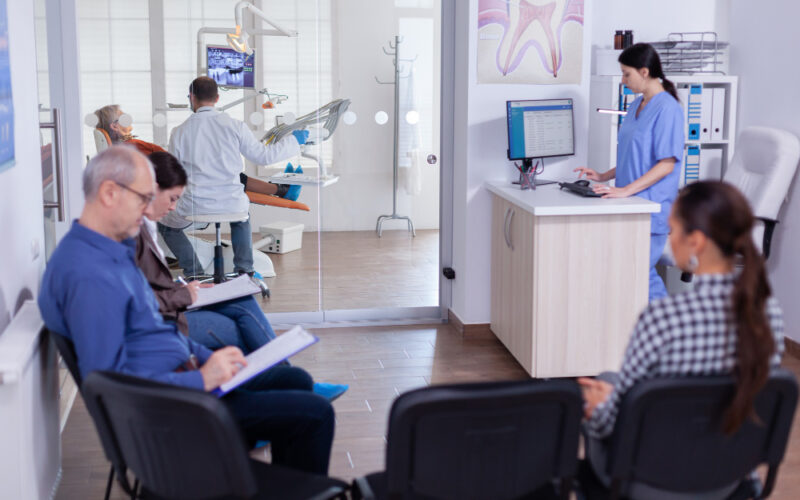
The journey to establishing or revitalising a healthcare facility begins with exceptional design and execution. For many practitioners, achieving perfect professional medical clinic fit outs is a top priority, shaping both patient experience and operational efficiency. It is more than just aesthetics; it is about crafting a space that functions seamlessly, promotes healing, and reflects your commitment to high-quality care. A well-executed fit out can significantly enhance your clinic’s reputation and long-term success.
Imagine walking into a clinic that feels instantly welcoming, where every detail has been thoughtfully considered for comfort and practicality. This isn’t merely a luxury; it is a fundamental aspect of modern healthcare delivery. From the waiting room ambiance to the layout of consultation rooms, every element contributes to the overall perception and effectiveness of your practice. Investing in a superior fit out is an investment in your future and the wellbeing of your patients.
Why a well-designed clinic matters
A clinic’s design transcends superficial appearances, deeply influencing how patients perceive your practice and how staff perform their duties. It acts as a silent communicator, conveying professionalism, care, and attention to detail long before a consultation begins. Thoughtful design choices can cultivate an environment of trust and reduce patient anxiety, which are crucial elements in healthcare settings.
Considering the significant time patients and staff spend within these walls, the importance of an optimised layout cannot be overstated. A poorly designed clinic can lead to bottlenecks, stress, and inefficiency, directly impacting the quality of care provided. Conversely, a well-planned space fosters a positive atmosphere, making every visit and workday more pleasant and productive for all involved.
The impact on patient experience
Patients visiting a clinic are often feeling vulnerable or anxious, making the environment critically important for their comfort. A welcoming reception area, comfortable seating, and clear wayfinding can significantly reduce stress levels. Colour schemes, lighting, and even the choice of materials all play a part in creating a calming and reassuring atmosphere.
Privacy is another paramount concern for patients, especially in medical settings. Thoughtful room layouts, soundproofing, and discreet waiting areas contribute to a sense of security and respect. Creating a space where patients feel heard and valued begins with the physical environment, demonstrating your practice’s patient-centric approach from the moment they arrive.
Enhancing staff efficiency and morale
For healthcare professionals, their workspace is their second home, and its design profoundly affects their daily productivity and job satisfaction. An efficient layout minimises unnecessary movement, streamlines workflows, and ensures easy access to equipment and supplies. This directly translates into more time spent on patient care and less on navigating cumbersome spaces.
Beyond pure efficiency, a well-designed clinic fosters a positive work culture and boosts staff morale. Breakout areas, ergonomic workstations, and natural light can reduce fatigue and stress, promoting a healthier and happier team. When staff feel comfortable and supported in their environment, their ability to deliver exceptional care is naturally enhanced, creating a virtuous cycle of positive outcomes.
Key considerations for medical clinic fit outs
Undertaking a medical clinic fit out involves a complex interplay of design principles, regulatory requirements, and practical considerations. It demands a holistic approach, ensuring that every decision contributes to a functional, compliant, and aesthetically pleasing space. The initial planning phase is crucial, setting the foundation for a successful project that meets all your specific needs.
From understanding local building codes to integrating advanced medical technology, the scope can be extensive. Engaging with experienced professionals who specialise in healthcare environments is essential to navigate these complexities effectively. They can guide you through the intricacies, ensuring your vision translates into a tangible, high-performing clinic.
Regulatory compliance and accessibility
Navigating the labyrinth of regulations is perhaps one of the most critical aspects of any medical fit out. Compliance with local council regulations, health department standards, and Australian building codes is non-negotiable. These rules cover everything from fire safety and waste disposal to infection control and ventilation systems, ensuring the safety of both patients and staff.
Accessibility is another fundamental requirement, ensuring your clinic is welcoming and usable for everyone. This includes provisions for ramps, wide doorways, accessible toilets, and appropriate signage for individuals with disabilities. A compliant and accessible clinic not only meets legal obligations but also demonstrates a genuine commitment to inclusive patient care.
Space planning and flow optimisation
The strategic arrangement of spaces within a clinic directly impacts its operational efficiency, patient experience, and staff productivity. Effective space planning goes beyond merely fitting rooms into a floor plan; it involves a deep understanding of the patient journey and staff workflows.
Consider the patient’s perspective: their journey from arrival at reception, through the waiting area, into a consultation room, then perhaps a treatment room, and finally exiting. Each step should be seamless, intuitive, and stress-free. This means designing clear pathways, minimising cross-traffic between patient and staff zones, and ensuring privacy at every stage. For instance, creating distinct public, semi-private, and private clinical zones helps manage patient flow and maintain confidentiality.
For staff, an optimised layout reduces unnecessary movement, improves access to equipment and supplies, and fosters better collaboration. This involves strategically placing administration areas, clinical preparation zones, sterilisation rooms, and laboratories to create efficient workflows. Ergonomics also play a vital role, ensuring workstations and equipment are positioned to minimise strain and maximise efficiency for healthcare professionals. Furthermore, anticipating future growth and potential expansion allows for flexible designs that can adapt to changing needs without requiring a complete overhaul.
Technology integration and infrastructure
In the modern healthcare landscape, technology is not just an add-on; it’s fundamental to delivering high-quality care. A medical fit out must seamlessly integrate advanced medical equipment, digital health records (EMR/EHR systems), telemedicine capabilities, and sophisticated patient management software. This requires careful consideration of the underlying infrastructure.
Robust data cabling and network infrastructure are paramount to support high-speed internet, secure data transfer, and the smooth operation of all digital systems. Sufficient power outlets, circuit capacity, and dedicated power lines for sensitive diagnostic equipment (like X-ray or ultrasound machines) are essential. Furthermore, specialised ventilation systems might be required for certain equipment to maintain optimal operating temperatures and ensure air quality. Integrating smart building technologies can also enhance efficiency, from automated lighting and climate control to advanced security systems.
Future-proofing is a critical aspect of technology integration. Healthcare technology evolves rapidly, so designing infrastructure that can easily accommodate upgrades and new innovations is vital. This might involve modular cabling systems, flexible wall partitions, or dedicated conduits for future wiring. Engaging IT specialists early in the planning process ensures that the clinic’s technological backbone is not only functional for today but also scalable for tomorrow, supporting continuous improvements in patient care and operational efficiency.
Interior design and patient experience
While functionality and compliance are paramount, the aesthetic and atmospheric qualities of a medical clinic significantly impact the patient experience and staff well-being. Interior design plays a crucial role in creating an environment that is not only professional and hygienic but also calming, reassuring, and welcoming.
Thoughtful selection of colour schemes, lighting, materials, and acoustics can profoundly influence mood and perception. Soft, muted colours can evoke a sense of calm, while natural light reduces anxiety and improves overall comfort. High-quality, durable, and easy-to-clean materials are essential for infection control, but they can still be chosen for their aesthetic appeal, avoiding a sterile or cold feel. Incorporating biophilic design elements, such as indoor plants or views of nature, has been shown to reduce stress and promote healing.
The waiting area, often the patient’s first sustained interaction with the clinic, should be designed for comfort and privacy. Comfortable seating, appropriate distractions (e.g., educational materials, subtle ambient music, or a discreet television), and clear, professional signage contribute to a positive experience. Acoustic considerations are also vital throughout the clinic, especially in consultation rooms, to ensure patient confidentiality and minimise noise disruption. A well-designed interior not only enhances the clinic’s brand image but also fosters trust and reduces patient anxiety, ultimately contributing to better health outcomes.
Project management and phased execution
A medical fit out is a complex undertaking, requiring meticulous project management to ensure it is delivered on time, within budget, and to the highest quality standards. The process typically involves several key stages: initial design and concept development, detailed architectural and engineering plans, regulatory approvals, demolition (if renovating an existing space), construction, installation of equipment, and final commissioning.
Engaging a dedicated project manager or construction company such as RiteSpace Construction is invaluable. They act as the central point of contact, coordinating all trades, suppliers, and consultants, from architects and engineers to plumbers and electricians. Effective project management includes developing a comprehensive timeline, managing budgets, overseeing procurement, and ensuring strict adherence to safety protocols on site. Regular communication and progress reporting are crucial to keep all stakeholders informed and address any challenges proactively.
For existing clinics that need to remain operational during the fit-out, a phased execution strategy is often essential. This involves breaking the project into smaller, manageable stages, allowing parts of the clinic to continue functioning while other areas are under construction. This minimises disruption to patient care and revenue streams, though it requires even more careful planning and coordination to manage temporary facilities and ensure patient and staff safety throughout the transition. A seamless handover, including comprehensive documentation and training, marks the successful completion of the project, ensuring the clinic is fully operational and ready to serve its community.
Sustainability and future-proofing your clinic
Beyond immediate functionality, modern medical fit-outs increasingly consider long-term sustainability and adaptability. Incorporating eco-friendly practices and materials not only benefits the environment but can also lead to significant operational cost savings over the clinic’s lifespan.
Sustainable design elements include the use of energy-efficient LED lighting, water-saving fixtures, and high-performance insulation to reduce energy consumption. Sourcing materials that are recycled, recyclable, or have low volatile organic compound (VOC) emissions contributes to better indoor air quality for both patients and staff. Thoughtful waste management during the construction phase also minimises environmental impact. These choices not only align with corporate social responsibility but also often result in lower utility bills and a healthier internal environment.
Future-proofing involves designing for flexibility and longevity. This means creating spaces that can easily adapt to changing medical practices, technological advancements, or an expanding patient base. Modular design elements, non-load-bearing internal walls, and accessible service conduits allow for easier reconfigurations or upgrades without costly and disruptive major renovations. A clinic designed with sustainability and future adaptability in mind is a resilient asset, capable of evolving with the demands of healthcare and providing exceptional care for many years to come.
Conclusion
A medical fit out is a multifaceted investment that extends far beyond mere construction; it’s about crafting an environment that embodies efficiency, safety, and compassionate care. From the initial strategic planning and meticulous adherence to regulatory compliance, through the intelligent integration of technology and the thoughtful design of patient-centric spaces, every detail contributes to the clinic’s overall success.
Engaging experienced professionals who understand the unique demands of healthcare environments is not just advisable, but essential. Their expertise ensures that all complexities, from intricate space planning to cutting-edge technology integration and rigorous regulatory navigation, are handled with precision. A well-executed medical fit out ultimately creates a high-performing facility that optimises workflows, enhances patient experience, supports staff well-being, and positions the clinic for long-term growth and success in the evolving healthcare landscape.