Kombucha’s move from health-food curiosity to supermarket staple has made it easy to buy without ever considering the alternative of brewing it yourself. Both paths get you to the same basic drink, but they differ meaningfully in cost, control over ingredients, and what’s actually happening inside the bottle by the time it reaches you. This comparison looks at the practical trade-offs, rather than assuming one option is automatically superior to the other.
The Cost Difference, Broken Down Properly
A single bottle of commercial kombucha typically costs several dollars, and a regular daily habit adds up quickly over a month. Brewing at home shifts the cost structure entirely: after the initial outlay for a culture and basic equipment, ongoing costs are limited to tea, sugar, and occasional flavouring ingredients, which work out to a fraction of the per-litre cost of buying bottled kombucha regularly.
This cost difference becomes more pronounced the more kombucha someone drinks. An occasional bottle here and there makes the home-brewing setup cost harder to justify quickly, but a genuine daily habit typically recovers the initial equipment cost within the first month or two, with every batch afterward costing considerably less than its commercial equivalent.
What’s Actually in a Commercial Bottle
Commercial kombucha in Australia is generally produced under controlled conditions that ensure consistency from bottle to bottle — the same flavour, the same fizz level, the same acidity every time. This consistency comes from tightly controlled fermentation parameters and, in many cases, pasteurisation or careful fermentation-stopping techniques to meet shelf-stability and alcohol-content regulations for retail sale.
The trade-off is that some commercial processes reduce the live bacterial and yeast content compared to an actively fermenting home batch, depending on how the product is finished before bottling. Reading the label for terms like “raw” or “unpasteurised” gives some indication of how much of the live culture survives into the bottle, though even genuinely raw commercial kombucha has typically had its fermentation halted at a specific, controlled point rather than continuing indefinitely the way a home batch left unrefrigerated would.
What Home Brewing Actually Involves
Learning how to make kombucha at home means taking on the entire process yourself: brewing sweetened tea, cooling it, adding a SCOBY and starter liquid, and monitoring fermentation over one to three weeks depending on temperature and taste preference. This hands-on involvement is either the main appeal or the main deterrent, depending on how much time and attention someone is realistically willing to put toward a beverage.
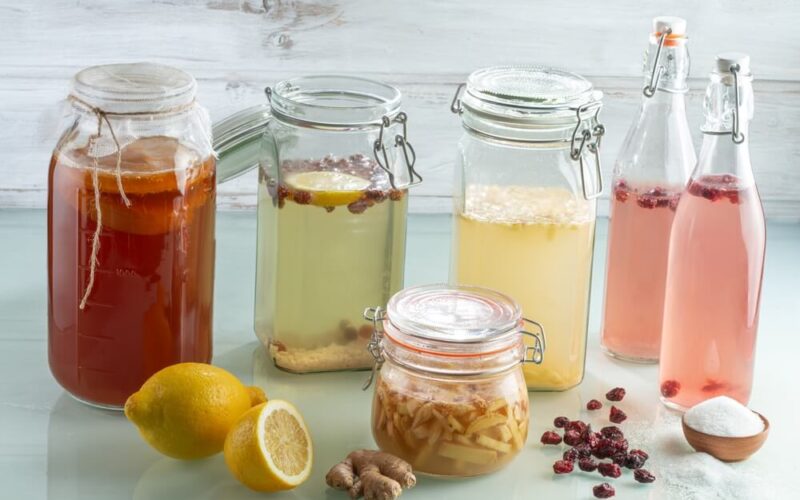
The upside of this involvement is complete control over sugar content, tea type, fermentation length, and flavour additions — variables a commercial product locks in during manufacturing and can’t be adjusted after purchase. Someone who prefers a milder, less acidic kombucha, or wants to experiment with unusual flavour combinations, has far more flexibility brewing at home than selecting from whatever flavours happen to be on the shelf.
Consistency vs Variability
This is arguably the single biggest practical trade-off between the two options. Commercial Kombucha Australia brands have generally invested in process control specifically to eliminate batch-to-batch variation, which matters to buyers who want a predictable product every time they reach for a bottle.
Home brewing, by contrast, is inherently more variable. Ambient kitchen temperature, the specific health of a given SCOBY, and even the type of tea used can all shift the result slightly from batch to batch. Some home brewers find this variability part of the appeal — closer to a genuine craft process than a manufactured product — while others find it frustrating if they’re hoping for exact consistency every time.
The Learning Curve of Managing a SCOBY
A Kombucha SCOBY is a living culture that needs a degree of ongoing understanding to manage well — recognising a healthy versus a struggling culture, understanding how temperature affects fermentation speed, and troubleshooting occasional issues like mould contamination or overly acidic batches. This learning curve is real, though it’s generally manageable within the first few batches for most home brewers.
Commercial kombucha entirely removes this learning curve from the equation, which is a genuine point in its favour for anyone who simply wants the finished drink without any interest in the process behind it.
Where Kombucha Kits Simplify the Decision
For anyone leaning toward home brewing but wary of sourcing individual components separately, kombucha kits bundle a SCOBY, starter liquid, and often a suitable brewing vessel into a single starting point. This removes much of the early friction around sourcing, without removing the genuine cost and flavour-control advantages that come with brewing rather than buying.
Probiotic Content: A Genuinely Nuanced Comparison
Both commercial and home-brewed kombucha are often discussed in relation to probiotics, though the comparison deserves nuance regardless of which version is being considered. Neither commercial nor home-brewed kombucha typically specifies exact bacterial strains or colony-forming unit counts the way a dedicated probiotic supplement does. The live culture content in kombucha — from either source — is naturally variable and dependent on the specific fermentation conditions involved, rather than a precisely measured, guaranteed dose.
This means the choice between store-bought and home-brewed doesn’t meaningfully change kombucha’s role relative to a dedicated probiotic supplement; it remains a variable, food-based source of live cultures either way; the difference lies mainly in cost, flavour control, and the process itself.
Organic Considerations for Either Path
Buyers concerned about pesticide residue in tea leaves can find organic kombucha options among commercial brands, or source organic loose-leaf tea for home brewing, which works identically to non-organic tea in the fermentation process itself. This consideration applies equally to both paths and isn’t a factor that favours one approach over the other.
Packaging and Environmental Considerations
An often-overlooked factor in this comparison is packaging waste. Regularly buying bottled kombucha, even where bottles are recyclable, generates ongoing glass or plastic waste with every purchase. Home brewing, once the initial equipment is in place, involves reusing the same jars and bottles repeatedly, generating comparatively little packaging waste over time beyond the occasional replacement of a cracked jar or a worn cap seal.
This consideration won’t be a deciding factor for everyone, but for buyers already mindful of household waste, it’s a genuine point in favour of brewing at home that doesn’t show up in a straightforward cost comparison.
Time Investment: Being Honest About the Commitment
It’s worth being realistic about the time home brewing actually requires, since it’s sometimes understated in enthusiastic brewing guides. The active hands-on time is genuinely minimal — perhaps ten to fifteen minutes to prepare a new batch of tea, and a few minutes every few days to check progress. What takes longer is the passive waiting period, which doesn’t require attention but does require planning ahead, since a batch can’t be rushed to meet an unexpected craving the way grabbing a bottle from the fridge can.
For households that drink kombucha somewhat unpredictably, this planning requirement is worth weighing against the cost savings, since running out of home-brewed supply at an inconvenient moment is a common frustration among newer brewers still finding their rhythm with batch timing.
Sugar Content: Reading Between the Lines
Commercial kombucha labels state a final sugar content per serving, which reflects whatever remains after the manufacturer’s specific fermentation process has run its course. This figure varies noticeably between brands and even between flavours from the same brand, since added fruit juices and flavourings after fermentation can reintroduce sugar that the original fermentation process had already reduced.
Home brewers have more direct visibility into this, since they control both the starting sugar quantity and the fermentation length, which together determine how much sugar remains in the finished product. A longer fermentation generally means less residual sugar and a more acidic result, giving home brewers a genuine lever to adjust sweetness to personal preference that a fixed commercial product can’t offer after the fact.
Making the Choice That Actually Fits
The right choice genuinely depends on what someone values most. Buying commercial kombucha suits people who want convenience, guaranteed consistency, and zero time investment, and are comfortable paying a premium for those things. Brewing at home suits people who drink kombucha regularly enough to justify the upfront setup, who enjoy having full control over flavour and sugar content, and who don’t mind a bit of hands-on involvement and occasional batch-to-batch variation.
Plenty of people land somewhere in between — brewing a base supply at home for daily drinking while picking up a commercial bottle occasionally for convenience or a specific flavour not easily replicated at home. There’s no requirement to choose one exclusively, and understanding what each path genuinely offers makes it easier to decide which one, or which combination, actually suits your habits rather than following whichever option happened to be more visible at the shops.