If you have ever lugged a load of mixed metal to a Melbourne scrap yard and walked out confused about why the brass tap paid more than the washing machine shell, you have run into the single most important concept in the scrap trade. Not all metal is created equal. The difference between a decent payout and a disappointing one usually comes down to one distinction: ferrous or non ferrous. Experienced scrap metal buyers in Melbourne grade every load against this split before quoting a price, and the gap between the two categories can be a factor of twenty or more per kilogram.
This guide breaks down what sits in each category, which metals Melbourne yards pay the most for, and the market forces that drive those prices.
The Fundamental Split
Every metal falls into one of two categories. Ferrous metals contain iron. That includes steel, cast iron, and most structural metal from buildings, cars, and appliances. Non ferrous metals do not contain iron. The common ones are copper, aluminium, brass, lead, zinc, nickel, and stainless steel (which is iron based but priced in the non ferrous bracket due to its nickel and chromium content).
The practical test is a magnet. If a magnet sticks firmly, the metal is ferrous. If it does not stick, or sticks only weakly, you are holding something more valuable. Yard operators use the same test on arrival.
Ferrous Metals and What They Pay
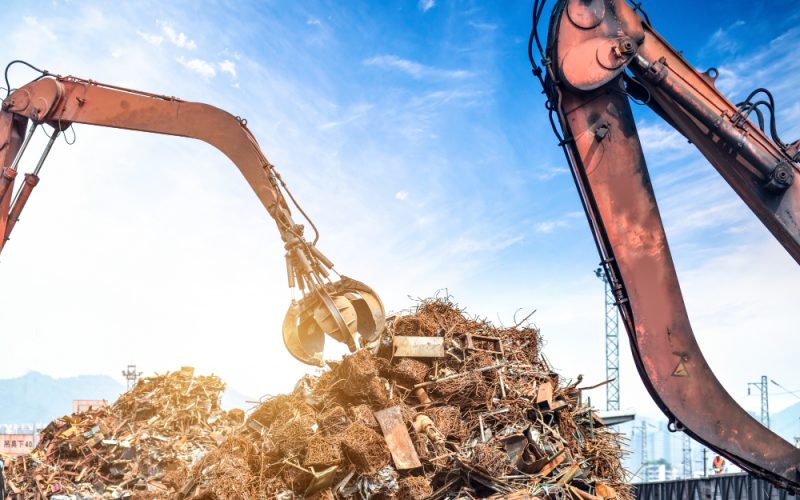
Ferrous scrap is where volume lives. A single demolition job can generate tonnes of structural steel, reinforcing bar, and sheet metal. The per kilogram rate is modest, typically in the low cents range depending on the grade and the current export market, but the sheer tonnage makes ferrous the backbone of the Australian recycling industry.
Common ferrous grades Melbourne yards accept include:
- Heavy melting steel (HMS), which covers thick section plate and structural offcuts
- Light steel, including appliance shells, roofing offcuts, and light framing
- Cast iron, from engine blocks, pipes, and old bathtubs
- Reinforcing bar from concrete demolition
- Shredded auto scrap, generated when end of life vehicles pass through a shredder
Prices for ferrous scrap track global steel demand closely. When Chinese and Southeast Asian mill activity is strong, prices move up. When construction slows in those markets, Melbourne yards see the flow through quickly. For context, ferrous grades generally pay somewhere between 15 and 40 cents per kilogram at the yard gate, though these numbers move week to week.
Non Ferrous Metals and the Premium They Command
Non ferrous is where the real money sits per kilogram. Experienced scrap metal recyclers in Melbourne grade non ferrous loads carefully because small differences in cleanliness or alloy content shift the per kilogram rate significantly. The main categories brought in by households and tradies include:
Copper
The premium metal. Clean bright copper (think stripped electrical wire with no insulation) sits at the top of the price list, followed by number two copper (slightly tarnished or soldered), then insulated copper cable, which pays less because the yard has to strip or process it. Copper prices in Australia track the London Metal Exchange closely and have moved widely over the past year.
Brass
A copper and zinc alloy, found in plumbing fittings, taps, locks, and decorative hardware. Pays well, though less than clean copper. Brass with iron contamination, sometimes called irony brass, pays notably less than clean brass.
Aluminium
Several grades, each with its own price. Extruded aluminium (window frames, structural sections) pays the most. Cast aluminium (engine components, cookware) sits in the middle. Aluminium cans pay the least per kilogram but add up fast in volume. Dirty or painted aluminium drops a grade.
Stainless Steel
Priced on its nickel and chromium content. Grade 316 pays more than 304. Magnet test alone can mislead here because some stainless grades are weakly magnetic.
Lead
Common in old plumbing, roof flashing, and wheel balance weights. Steady value, though handling needs more care due to toxicity.
Why the Price Gap Is So Wide
Three forces explain why non ferrous metals pay many times more than ferrous.
First, extraction cost. Mining and refining virgin copper, aluminium, or nickel requires enormous energy input. Recycled non ferrous metal substitutes directly for virgin material at a fraction of the energy cost, which gives recycled stock real demand from manufacturers.
Second, international demand. Non ferrous metals are globally traded on the LME with daily spot prices. Australian scrap flows into Asian smelters and foundries where demand is consistent. Ferrous scrap flows the same way but competes with much larger volumes of virgin iron ore.
Third, scarcity in the waste stream. A tonne of mixed household and commercial waste contains far more ferrous than non ferrous metal. Scarcity pushes the per kilogram value up for the smaller category.
Melbourne Context
Melbourne’s scrap industry is concentrated around industrial corridors such as Dandenong, Laverton, and Campbellfield. These yards process material from the surrounding trade base: electricians stripping cable, plumbers removing brass fittings, auto workshops swapping out radiators and alternators, and demolition contractors clearing sites.
The Victorian scrap network also handles kerbside aluminium can returns through the container deposit scheme, which has shifted some aluminium volume out of the yard trade and into the deposit system since the scheme launched.
Maximising What You Get Paid
A few practical steps consistently lift what a Melbourne yard will pay:
- Separate ferrous from non ferrous before you arrive. Mixed loads are graded down to the lowest common grade.
- Strip insulation from copper cable where volume justifies the time investment.
- Keep aluminium grades apart (extrusion in one pile, cast in another).
- Remove non metal attachments where practical (plastic handles, timber fixings).
- Call ahead for current rates. Prices move weekly and large loads deserve a quote.
Final Thoughts
The ferrous versus non ferrous split explains almost every pricing question a casual seller has. Steel and iron deliver volume value. Copper, brass, aluminium, and the other non ferrous metals deliver premium per kilogram rates driven by global demand and recycling economics.
For anyone generating regular scrap, whether as a weekend renovator or a trade business, the lesson is simple. Sort it, know what grade you have, and the yard will meet you at the right number.